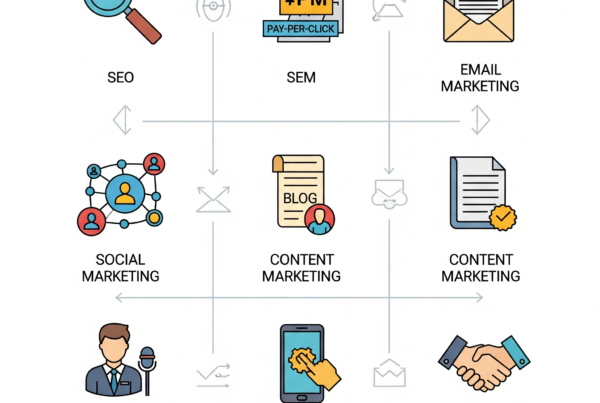
Keyword research is the foundation of any successful SEO strategy. This comprehensive keyword research guide will equip you with the knowledge and tools to understand your audience’s search behavior, create content that ranks well, and drive organic traffic to your website.

Image by storyset on Freepik
Why Keyword Research Matters for SEO
Before diving into the intricacies of our keyword research guide, let’s explore why it’s crucial for your digital marketing efforts:
- Helps you understand your audience’s search intent
- Guides your content strategy and content creation
- Improves organic search visibility and rankings
- Increases website traffic and conversions
- Provides insights into market trends and consumer behavior
- Helps identify gaps in your current content
- Enables you to stay ahead of competitors
Essential Steps in Keyword Research
Follow these detailed steps to master the art of keyword research:
Step 1: Brainstorm Seed Keywords
Begin your keyword research by listing broad topics related to your business or niche. Consider:
- Your products or services
- Common customer questions
- Industry terminology
- Related topics and themes
This initial brainstorming session will form the foundation of your keyword research strategy.
Step 2: Utilize Keyword Research Tools
Expand your list using tools designed specifically for keyword research:
- Google Keyword Planner: Free tool offering search volume and competition data
- SEMrush: Comprehensive SEO toolkit with advanced keyword research features
- Ahrefs: Powerful SEO tool with extensive keyword databases
- Moz Keyword Explorer: User-friendly tool with accurate search volume estimates
- Ubersuggest: Free tool offering keyword ideas and content suggestions
These tools will help you discover new keyword opportunities and provide valuable data to inform your strategy.
Step 3: Analyze Search Intent in Keyword Research
Categorize keywords based on user intent to align your content with what searchers are looking for:
- Informational: Users seeking information or answers (e.g., “how to perform keyword research”)
- Navigational: Users looking for a specific website or page (e.g., “Google Keyword Planner login”)
- Commercial: Users researching products or services before making a purchase (e.g., “best keyword research tools”)
- Transactional: Users ready to make a purchase or take action (e.g., “buy SEO software”)
Understanding search intent is crucial for creating content that meets user needs and ranks well in search results.
Step 4: Evaluate Competition in Your Keyword Research
Assess the difficulty of ranking for each keyword by examining:
- Domain authority of top-ranking pages
- Content quality, depth, and relevance
- Backlink profiles and link diversity
- On-page optimization factors
- SERP features (featured snippets, local packs, etc.)
This competitive analysis will help you identify keywords that present realistic ranking opportunities for your website.
Step 5: Identify Long-Tail Keywords
Focus on specific, longer phrases that:
- Have lower competition and are easier to rank for
- Offer higher conversion potential due to specificity
- Address niche topics and user needs
- Allow you to create highly targeted content
Long-tail keywords are often overlooked but can be incredibly valuable for driving qualified traffic to your site.
Step 6: Consider Keyword Trends and Seasonality
Use Google Trends and other tools to understand:
- Seasonal fluctuations in search volume
- Rising and falling interest in topics over time
- Geographic variations in search behavior
- Related topics and queries
This information will help you time your content creation and optimize for seasonal trends.
Step 7: Organize and Prioritize Your Keyword Research
Create a comprehensive spreadsheet or use a keyword management tool to track:
- Keywords and variations
- Search volume data
- Competition metrics
- Relevance to your business goals
- Content mapping and planning
- Potential ROI of targeting each keyword
Prioritize keywords based on their potential impact, difficulty, and alignment with your overall SEO strategy.
Step 8: Implement and Monitor Your Keyword Strategy
Incorporate selected keywords into your content strategy:
- Optimize existing content for target keywords
- Create new content based on keyword opportunities
- Ensure proper on-page SEO (title tags, meta descriptions, headers, etc.)
- Build internal links using relevant anchor text
Track performance using tools like Google Analytics and Google Search Console. Monitor key metrics such as:
- Organic traffic growth
- Keyword rankings
- Click-through rates (CTR)
- Conversion rates
- Bounce rates and time on page
Regularly review and adjust your strategy based on performance data.
Advanced Keyword Research Techniques
To take your keyword research to the next level, consider these advanced techniques:
Competitor Keyword Analysis
Analyze your competitors’ keyword strategies to:
- Identify gaps in your own strategy
- Discover new keyword opportunities
- Understand your competitive landscape
User-Generated Content Mining
Explore forums, Q&A sites, and social media to:
- Find long-tail keyword ideas
- Understand user pain points and questions
- Discover trending topics in your niche
SERP Analysis
Examine search engine results pages (SERPs) for your target keywords to:
- Identify SERP features you can target (featured snippets, image packs, etc.)
- Understand what type of content Google favors for specific queries
- Refine your content strategy based on SERP insights
Conclusion: Mastering Keyword Research for SEO Success
Effective keyword research is an ongoing process that requires regular updates and refinement. By following this comprehensive keyword research guide, you’ll be well-equipped to create a data-driven SEO strategy that drives organic traffic, improves rankings, and supports your business goals.
Remember, the key to successful keyword research is balancing search volume, competition, and relevance to your audience’s needs. Stay curious, keep testing, and always be ready to adapt your strategy as search trends evolve.
By mastering keyword research, you’ll lay a solid foundation for your entire SEO efforts, ensuring that your content reaches the right audience at the right time.