Understanding the Essence of Marketing
Marketing is a fundamental aspect of any business, serving as the driving force behind its growth and success. It encompasses a wide range of activities aimed at promoting products or services, attracting customers, and ultimately generating revenue. In essence, marketing is about creating and delivering value to customers while achieving the organization’s goals.
The Role of Marketing in Business
Marketing plays a pivotal role in helping businesses connect with their target audience and build lasting relationships. It involves identifying customer needs and wants, developing products or services that meet those needs, and effectively communicating the benefits to potential customers. By understanding the market and consumer behavior, marketing enables businesses to tailor their offerings and strategies to maximize customer satisfaction and drive sales.
The Core Principles of Marketing
Marketing is guided by several core principles that form the foundation of its strategies and tactics. These principles are essential to ensure the effectiveness and success of marketing efforts:
1. Customer Orientation
Putting the customer at the center of all marketing activities is crucial. By understanding their needs, preferences, and behaviors, businesses can create products and services that align with customer expectations. This customer-centric approach helps build trust, loyalty, and long-term relationships.
2. Value Creation
Marketing is about delivering value to customers. This value can be in the form of functional benefits, emotional satisfaction, or social status. By understanding what customers value and developing offerings that meet those needs, businesses can differentiate themselves from competitors and create a sustainable competitive advantage.
3. Segmentation and Targeting
Not all customers are the same, and marketing recognizes this by segmenting the market into distinct groups based on characteristics such as demographics, psychographics, and behavior. By targeting specific segments that are most likely to be interested in the product or service, businesses can optimize their marketing efforts and resources.
4. Integrated Marketing Communications
Marketing is most effective when it delivers a consistent message across various channels and touchpoints. Integrated marketing communications ensure that all marketing activities, such as advertising, public relations, sales promotions, and digital marketing, work together harmoniously to create a unified brand image and message.
5. Continuous Monitoring and Adaptation
Marketing is not a one-time effort but an ongoing process. It requires continuous monitoring of market trends, customer feedback, and competitors’ activities. By staying agile and adaptable, businesses can make informed decisions and adjust their marketing strategies to stay ahead in a dynamic and ever-changing marketplace.
The Components of a Marketing Strategy
A well-defined marketing strategy is essential for businesses to effectively reach their target audience and achieve their goals. It consists of several key components:
1. Market Research
Market research is the foundation of a successful marketing strategy. It involves gathering and analyzing data about the market, customers, competitors, and industry trends. This information helps businesses understand their target audience, identify opportunities, and make informed decisions.
2. Target Market
Defining the target market is crucial for effective marketing. It involves identifying the specific group of customers who are most likely to buy the product or service. This allows businesses to tailor their marketing efforts and messages to resonate with the target audience.
3. Unique Selling Proposition (USP)
A unique selling proposition is what sets a product or service apart from competitors. It highlights the unique benefits or features that make it more appealing to customers. A strong USP helps businesses differentiate themselves and attract customers in a crowded marketplace.
4. Marketing Mix
The marketing mix consists of the four Ps: product, price, place, and promotion. These elements work together to create a comprehensive marketing strategy:
– Product: This refers to the tangible or intangible offering that meets customer needs. It includes features, design, quality, and packaging.
– Price: Setting the right price is crucial to attract customers and generate revenue. It involves considering factors such as production costs, competition, and perceived value.
– Place: This refers to the distribution channels and methods used to make the product or service available to customers. It includes physical stores, online platforms, and partnerships.
– Promotion: Promotion involves the various tactics used to communicate the value of the product or service to the target audience. It includes advertising, public relations, sales promotions, and digital marketing.
5. Marketing Budget
A marketing budget outlines the financial resources allocated to various marketing activities. It helps businesses prioritize their spending and ensure that marketing efforts are aligned with overall business objectives.
6. Marketing Metrics
Measuring the effectiveness of marketing efforts is crucial to evaluate performance and make data-driven decisions. Key marketing metrics include sales revenue, customer acquisition cost, customer lifetime value, brand awareness, and customer satisfaction.
The Evolution of Marketing
Marketing has evolved significantly over the years, driven by advancements in technology, changes in consumer behavior, and the emergence of new marketing channels. Some key milestones in the evolution of marketing include:
1. Traditional Marketing
In the past, marketing primarily relied on traditional channels such as print media, television, radio, and direct mail. Marketers focused on mass advertising to reach a broad audience and create brand awareness.
2. Digital Marketing
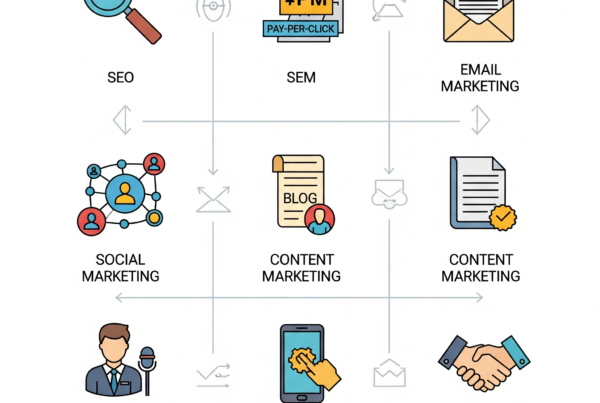
The rise of the internet and digital technologies revolutionized marketing. Digital marketing encompasses various online channels such as websites, search engines, social media, email marketing, and content marketing. It allows for more targeted and personalized communication with customers.
3. Social Media Marketing
Social media platforms such as Facebook, Instagram, Twitter, and LinkedIn have become powerful marketing tools. They enable businesses to engage with customers, build brand awareness, and drive sales through targeted advertising and content sharing.
4. Influencer Marketing
Influencer marketing leverages the popularity and credibility of social media influencers to promote products or services. By partnering with influencers who have a large and engaged following, businesses can reach their target audience in a more authentic and relatable way.
5. Data-Driven Marketing
The abundance of data available today has transformed marketing into a more data-driven discipline. Businesses can gather and analyze vast amounts of customer data to gain insights into their preferences, behavior, and purchasing patterns. This data-driven approach allows for more targeted and personalized marketing campaigns.
The Future of Marketing
As technology continues to advance and consumer behavior evolves, the future of marketing holds exciting possibilities. Some key trends that are shaping the future of marketing include:
1. Artificial Intelligence (AI)
AI has the potential to revolutionize marketing by automating processes, personalizing customer experiences, and providing valuable insights. AI-powered chatbots, recommendation engines, and predictive analytics are just a few examples of how AI is transforming the marketing landscape.
2. Voice Search and Smart Assistants
The increasing popularity of voice-activated smart assistants like Siri, Alexa, and Google Assistant is changing the way people search for information and make purchasing decisions. Marketers need to optimize their content and strategies to adapt to this shift towards voice search.
3. Personalization
Customers today expect personalized experiences and relevant recommendations. Marketers need to leverage data and technology to deliver personalized content, offers, and recommendations at every touchpoint.
4. Video Marketing
Video content is becoming increasingly popular, with platforms like YouTube, TikTok, and Instagram Stories gaining traction. Marketers need to embrace video marketing to engage with their audience and tell compelling stories.
5. Sustainability and Ethical Marketing
Consumers are becoming more conscious of sustainability and ethical practices. Marketers need to align their strategies with these values and communicate their commitment to social and environmental responsibility.
Conclusion
Marketing is a dynamic and ever-evolving field that plays a crucial role in the success of businesses. It involves understanding customer needs, creating value, and effectively communicating the benefits of products or services. By staying abreast of market trends, embracing new technologies, and adopting a customer-centric approach, businesses can harness the power of marketing to drive growth and achieve their goals.