Understanding the Essence of Marketing
Marketing is a fundamental aspect of any business strategy. It plays a vital role in promoting products or services, attracting customers, and ultimately driving business growth. In essence, marketing is the process of identifying, anticipating, and satisfying customer needs and wants through various strategies and tactics.
Marketing encompasses a wide range of activities, including market research, product development, pricing, distribution, promotion, and customer relationship management. It involves understanding the target market, analyzing competitors, and creating compelling messages to communicate the value of a product or service to potential customers.
The Importance of Marketing
Marketing is crucial for businesses of all sizes and industries. Here are some key reasons why marketing is essential:
1. Building brand awareness and reputation
Effective marketing helps to create brand awareness and establish a positive reputation in the marketplace. By consistently promoting your brand and delivering a compelling message, you can differentiate yourself from competitors and build trust with your target audience.
2. Attracting and retaining customers
Marketing is essential for attracting new customers and retaining existing ones. Through targeted advertising, content creation, and relationship-building efforts, you can engage with your target audience and persuade them to choose your products or services over others.
3. Increasing sales and revenue
By implementing effective marketing strategies, businesses can drive sales and increase revenue. A well-executed marketing campaign can generate leads, convert them into customers, and encourage repeat purchases, ultimately contributing to the bottom line.
4. Expanding market reach
Marketing enables businesses to expand their market reach and tap into new customer segments. By identifying and targeting specific market segments, businesses can tailor their marketing efforts to reach the right audience and maximize their chances of success.
5. Gaining a competitive advantage
Marketing plays a crucial role in gaining a competitive advantage in the marketplace. By understanding customer needs and preferences, businesses can develop unique selling propositions and position themselves as the preferred choice among customers.
The Marketing Mix: The 4 Ps
When developing a marketing strategy, businesses often rely on the marketing mix, commonly known as the 4 Ps. The 4 Ps represent the key elements that businesses need to consider when planning and executing their marketing efforts:
1. Product
The product refers to the tangible or intangible offering that a business provides to meet customer needs. It includes features, design, quality, packaging, and branding. Businesses need to ensure that their products align with customer preferences and offer unique value.
2. Price
Pricing is a critical aspect of marketing. It involves determining the right price for a product or service that customers are willing to pay while also considering costs, competition, and perceived value. Pricing strategies can vary, such as penetration pricing, premium pricing, or value-based pricing.
3. Place
Place refers to the distribution channels and locations where customers can access a product or service. It involves decisions related to inventory management, warehousing, transportation, and retail or online presence. The goal is to ensure that the product is available to customers in the right place at the right time.
4. Promotion
Promotion encompasses all the activities businesses undertake to communicate and promote their products or services to the target audience. It includes advertising, public relations, sales promotions, direct marketing, and digital marketing. The aim is to create awareness, generate interest, and persuade customers to take action.
The Role of Digital Marketing
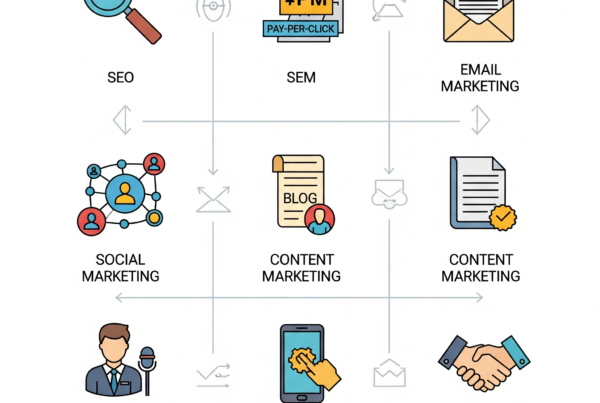
In today’s digital age, digital marketing has become an integral part of any marketing strategy. Digital marketing refers to the use of digital channels, such as websites, search engines, social media, email, and mobile apps, to reach and engage with customers.
Here are some key aspects of digital marketing:
1. Search Engine Optimization (SEO)
SEO is the process of optimizing a website to improve its visibility and rankings on search engine results pages. By optimizing website content, keywords, and technical aspects, businesses can increase organic traffic and attract relevant visitors.
2. Content Marketing
Content marketing involves creating and distributing valuable, relevant, and consistent content to attract and retain a clearly defined audience. It includes blog posts, articles, videos, infographics, and social media content. The goal is to provide value to customers and establish thought leadership.
3. Social Media Marketing
Social media marketing involves using social media platforms to promote products or services, engage with customers, and build brand awareness. It includes creating and sharing content, running targeted ads, and interacting with followers. Social media platforms like Facebook, Instagram, Twitter, and LinkedIn offer businesses vast opportunities to reach and connect with their target audience.
4. Email Marketing
Email marketing involves sending targeted emails to a list of subscribers to promote products, share updates, and nurture customer relationships. It is an effective way to reach customers directly and personalize communication based on their preferences and behavior.
5. Pay-Per-Click (PPC) Advertising
PPC advertising involves placing ads on search engines or other platforms and paying only when users click on them. It allows businesses to target specific keywords, demographics, and locations to reach potential customers. Popular PPC platforms include Google Ads and social media advertising platforms.
Measuring Marketing Success
Measuring the success of marketing efforts is crucial to determine the return on investment (ROI) and make informed decisions. Here are some key metrics and tools used to measure marketing success:
1. Key Performance Indicators (KPIs)
KPIs are specific metrics used to evaluate the performance of marketing activities. They can include website traffic, conversion rates, customer acquisition cost, customer lifetime value, social media engagement, and email open rates. By tracking KPIs, businesses can assess the effectiveness of their marketing efforts and make data-driven decisions.
2. Web Analytics
Web analytics tools, such as Google Analytics, provide valuable insights into website performance, user behavior, and traffic sources. They allow businesses to track website visitors, monitor conversion rates, and identify areas for improvement.
3. Customer Surveys and Feedback
Collecting customer feedback through surveys, interviews, or online reviews can provide valuable insights into customer satisfaction, preferences, and perceptions of a brand. This qualitative data can help businesses refine their marketing strategies and improve customer experience.
4. Return on Investment (ROI)
ROI is a financial metric used to evaluate the profitability of marketing campaigns. It compares the cost of marketing efforts to the revenue generated. By calculating ROI, businesses can assess the effectiveness of their marketing investments and allocate resources accordingly.
Conclusion
Marketing is a multifaceted discipline that plays a critical role in driving business success. It involves understanding customer needs, developing compelling products or services, and communicating their value effectively. With the advent of digital marketing, businesses now have a wide range of tools and strategies to reach and engage with their target audience. By measuring marketing success and continuously refining strategies, businesses can stay competitive and achieve their goals.