Understanding the Role of a Marketing Team
A marketing team plays a crucial role in promoting a company’s products or services, building brand awareness, and driving customer engagement. They are responsible for developing and implementing effective marketing strategies that align with the company’s goals and objectives. The team’s primary focus is to attract and retain customers, increase sales, and ultimately contribute to the company’s growth and success.
Key Responsibilities of a Marketing Team
- Market Research and Analysis: Delving into market dynamics, the marketing team conducts thorough research to grasp audience preferences, industry trends, and competitor landscapes. This analysis forms the bedrock for crafting effective marketing campaigns.
- Branding and Positioning: Crafting a distinct brand identity is paramount. The marketing team spearheads brand development and maintenance, ensuring coherence across all channels. They strategize brand positioning to carve a niche amidst competition and present a compelling value proposition.
- Marketing Strategy Development: Building upon research insights, the team formulates robust marketing strategies. They delineate target demographics, set clear objectives, and chart out optimal channels and tactics for audience engagement.
- Content Creation and Distribution: Content serves as the cornerstone of impactful marketing endeavors. The team meticulously crafts diverse content formats and strategically disseminates them across multiple platforms to maximize reach and resonance.
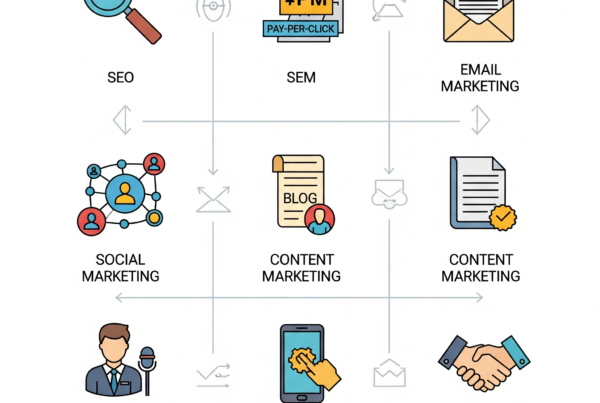
- Digital Marketing: Embracing the digital realm, the team leverages various channels like SEO, social media, email, and PPC to bolster online presence. Their efforts aim at driving traffic, nurturing leads, and enhancing conversion rates in the digital sphere.
- Campaign Management: Orchestrating campaigns with precision, the team meticulously plans, executes, and monitors every facet. From goal-setting and budget allocation to performance tracking and optimization, they ensure campaigns deliver optimal results.
- Customer Relationship Management: Recognizing the significance of customer relations, the team implements CRM strategies. Personalized email marketing, loyalty programs, and proactive feedback management initiatives foster customer satisfaction and cultivate enduring loyalty.
Effective Marketing Team Strategies
- Clear Communication and Collaboration: Effective teams thrive on clear communication and collaboration. Regular meetings, brainstorming sessions, and project management tools ensure alignment towards common goals.
- Data-Driven Decision Making: Utilizing data and analytics is pivotal for effective marketing. Regular analysis helps understand campaign performance, identify improvement areas, and make informed decisions for future strategies.
- Continuous Learning and Adaptation: The evolving marketing landscape necessitates continuous learning and adaptation. Staying updated with trends and technologies enables exploration of new channels and innovative strategies, maintaining a competitive edge.
- Collaboration with Other Departments: Marketing’s success hinges on collaboration with departments like sales and product development. This integration aligns marketing efforts with overall business objectives, ensuring seamless operation.
- Measuring and Evaluating Results: Effective teams consistently measure KPIs to evaluate campaign success. Tracking results informs future strategies, enabling informed decision-making and continuous improvement.
Conclusion
A marketing team plays a vital role in driving a company’s success by attracting and retaining customers, increasing brand awareness, and generating sales. By conducting market research, developing effective strategies, creating compelling content, and leveraging digital marketing channels, a marketing team can effectively promote a company’s products or services. By adopting clear communication, data-driven decision making, continuous learning, collaboration with other departments, and measuring and evaluating results, a team can optimize their efforts and achieve their goals effectively.